Fall is here! Changing temperatures, falling leaves, and plants beginning to go dormant are just a few of the signs that the seasons are changing. As we head into fall, there are several things to consider when preparing your landscape for winter. There are plenty of opinions about what should, and shouldn’t, be done during fall cleanup. The best approach often depends on where you live, the type of landscape you have, and your personal preferences. So, let’s take a look at a few common fall landscape maintenance tasks, along with the benefits and drawbacks of tackling them now versus waiting until spring.
Raking Up Leaves
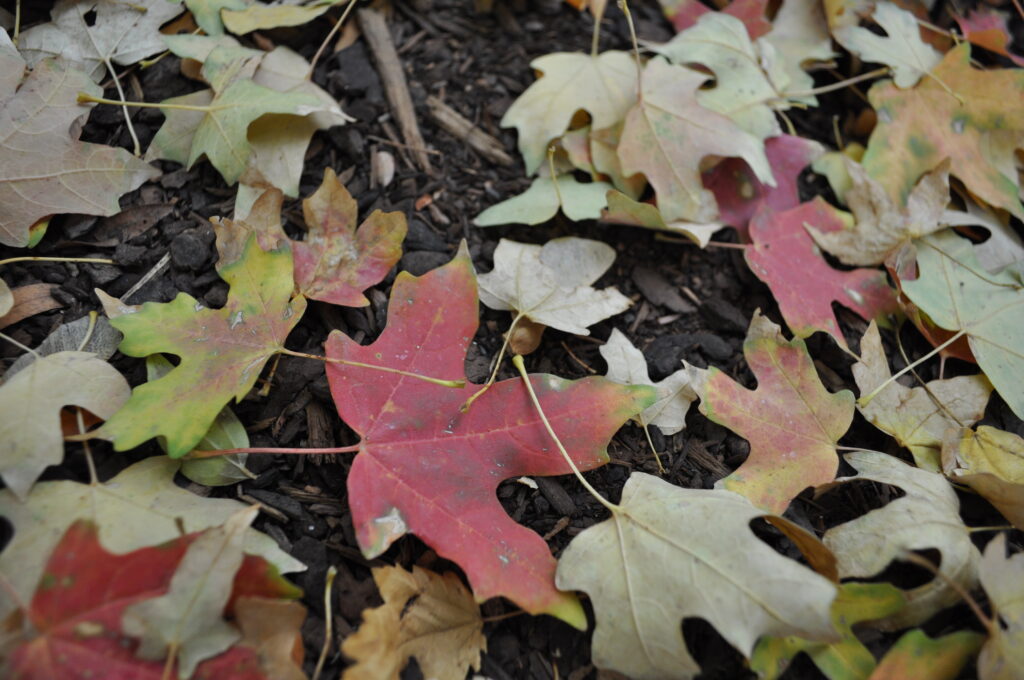
This is one of the most common questions that comes up each fall: Should you rake up your leaves, or leave them where they are?
There are several benefits to leaving fallen leaves in your landscape. As they break down, they return valuable nutrients to the soil, benefiting nearby trees and plants. Leaves can also provide important habitat for insects and small wildlife, many of which play an essential role in maintaining a healthy ecosystem.
So, with all these benefits, why do so many people still choose to clean up their leaves? In some situations, a thick layer of leaves can do more harm than good. Large leaves, such as those from Catalpa trees, can form dense mats that block sunlight and smother smaller plants underneath. Leaves can also create a messy appearance, which may not appeal to everyone or fit the aesthetic of certain landscape styles, particularly more formal designs that emphasize a clean, manicured look.
Climate is another factor to consider. In drier regions like Utah, leaves may not fully decompose over the winter as they might in wetter parts of the country. This can leave behind a layer of partially decomposed leaves that needs to be cleaned up in the spring.
If you have trees with particularly large leaves, one option is to rake up most of them, chop them into smaller pieces with a lawn mower or another method, and then spread them back throughout the landscape. This allows you to enjoy some of the benefits of leaving leaves in place without creating thick, dense layers.
Another option is to collect the leaves and add them to a compost pile. Once they have decomposed, the finished compost can be spread throughout your landscape. This is a great way to keep your yard looking tidy while returning valuable organic material to the soil instead of sending it to the landfill.
Deadheading Flowers
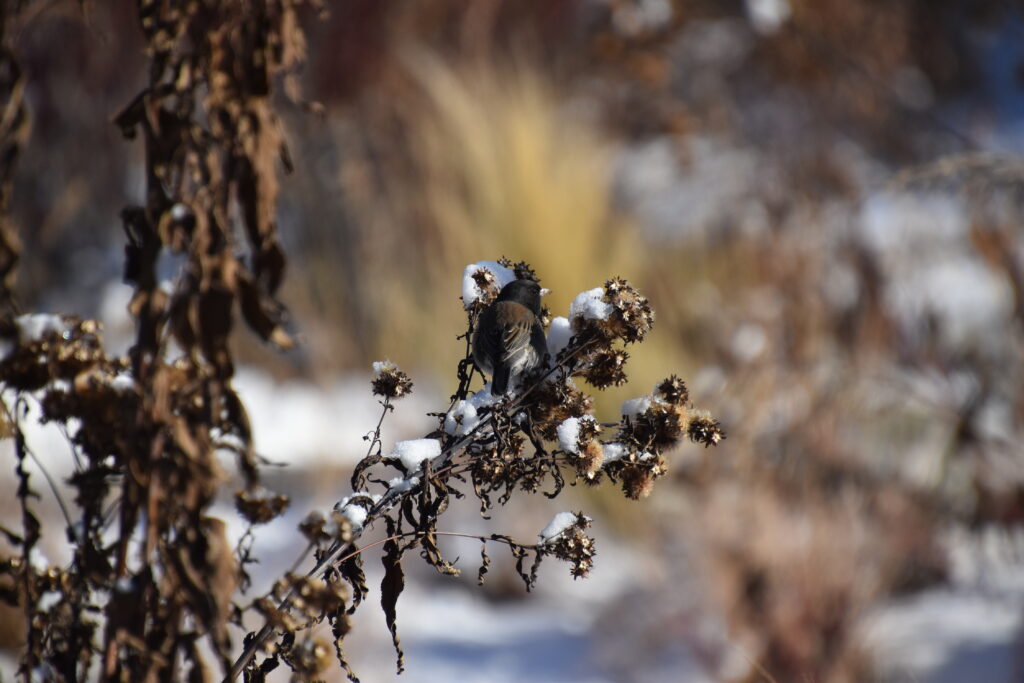
Many of us grew up being taught to cut off flower heads once they finish blooming. This practice, known as deadheading, is often emphasized even more in the fall as we prepare our landscapes for winter.
However, there are several benefits to leaving flower heads and seedheads standing through the colder months. They provide an important food source for birds and other wildlife during a season when food can be scarce. They can also add visual interest to the winter landscape, offering unique forms, textures, and structure long after the flowers have finished blooming. For many perennial plants, fall cleanup also involves cutting the entire plant back to the ground, since these plants typically regrow from their base each year. However, leaving perennials standing through the winter can provide additional shelter and habitat for wildlife.
Of course, leaving seedheads and dormant plants in place isn’t the right choice for every landscape. Some design styles may not lend themselves to a more natural, untrimmed appearance, and some people simply prefer the look of a clean landscape. In areas with heavy snowfall, snow loads can also bend or break plant stems, sometimes leaving the landscape looking messy by spring.
Ultimately, whether you cut back your perennials in the fall or leave them standing is a matter of balancing the needs of your landscape with your preferred aesthetic.
Cutting Down Ornamental Grasses
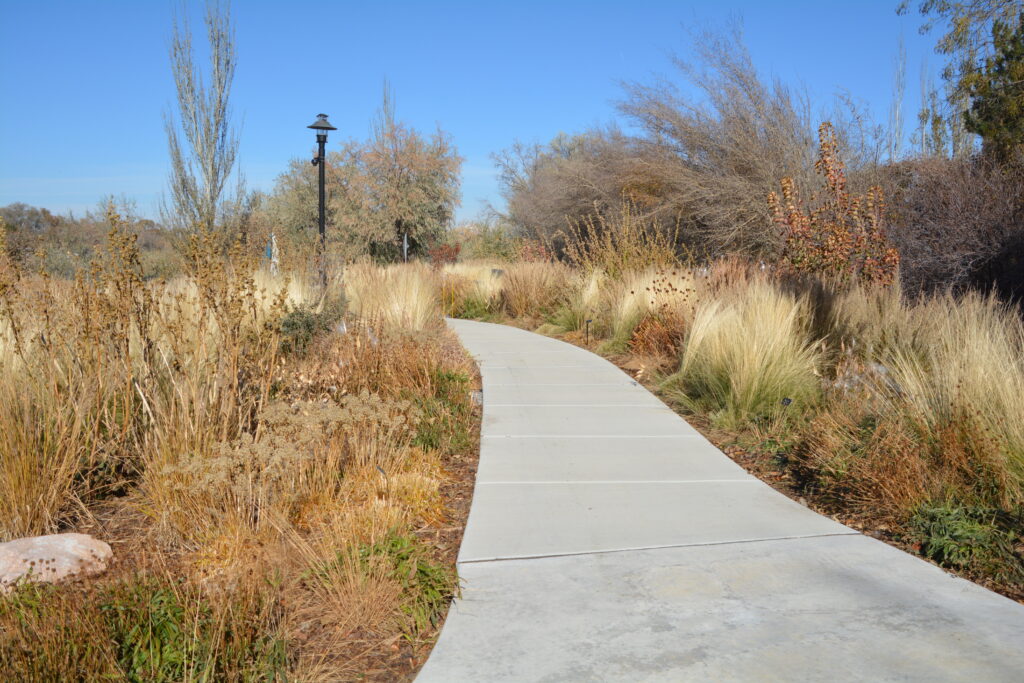
Ornamental grasses are often at their best in late summer and fall. Their textures, movement, and seasonal color can make them a standout feature in the landscape. Leaving ornamental grasses standing through the winter allows you to enjoy their beauty for a little longer. Their structure can add interest and movement to an otherwise dormant landscape, while their seedheads provide food for birds and other wildlife. The foliage at the base of the plants can also offer shelter and nesting materials for various animals. For some grasses, particularly those that are borderline hardy in a given climate, leaving the top growth in place may provide an additional layer of insulation through the winter.
However, there are a few reasons you might choose to cut them back in the fall. In areas with heavy snowfall, grasses can be quickly flattened or crushed, which may take away from their visual appeal. Certain varieties, such as Karl Foerster Feather Reed Grass, are considered cool-season grasses, meaning they begin growing much earlier in the spring than warm-season varieties. If you aren’t able to cut them back before new growth begins, it may be easier to take care of this task in the fall.
As with many fall cleanup decisions, the best timing depends on the type of grass, your local climate, and how much maintenance you want to tackle in the spring.
Pruning
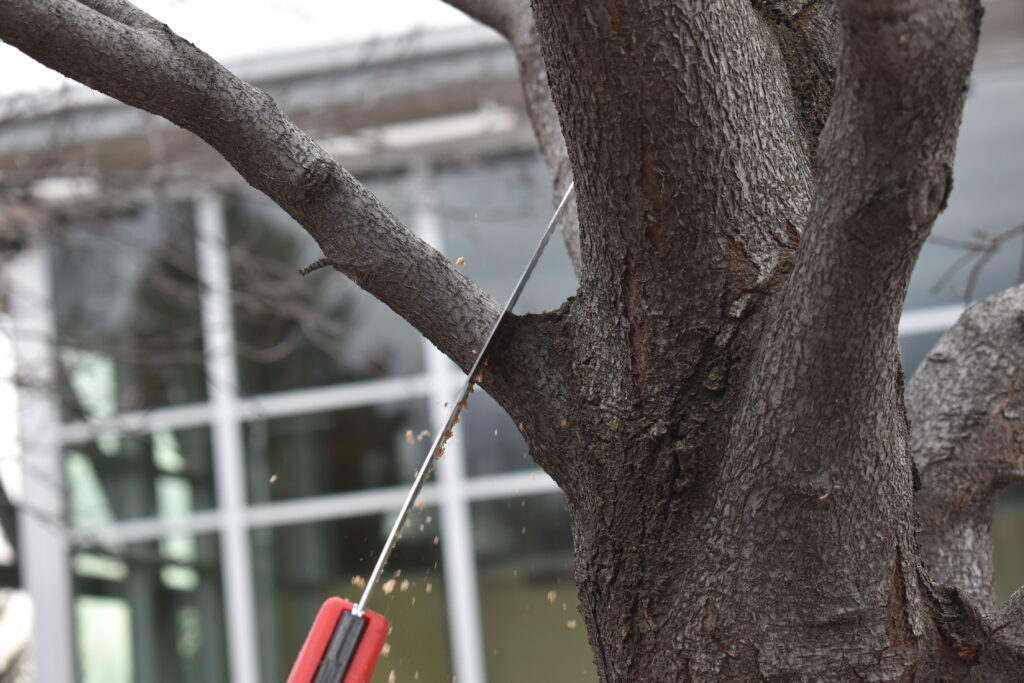
It can be tempting to prune trees and shrubs in the fall, especially once their leaves have dropped and their overall structure is easier to see. However, fall is generally not the ideal time for pruning most woody plants.
Pruning creates an open wound on a plant. In the fall, there is less time for the plant to respond to that wound before entering dormancy, which can leave it more vulnerable to insects and disease. Pruning can also stimulate new growth. As plants prepare for winter, they naturally shift their energy toward their roots and store nutrients to support growth the following spring. Encouraging new growth in the fall can interfere with this process, and that growth may not have enough time to harden off before colder temperatures arrive.
There are, of course, exceptions. Pruning may be necessary in the fall if a tree limb poses a safety hazard or if maintenance needs to be completed before winter, particularly on large commercial properties. But whenever possible, it is generally best to save routine pruning for late winter or early spring.
Finding the Right Balance for Your Landscape
At the end of the day, it’s important to be realistic about your own situation. Do you know that you won’t have time to tackle all your landscape maintenance in the spring? It may make sense to take care of some of those tasks in the fall to make things easier later.
Plants are resilient, and there isn’t always one right answer when it comes to fall landscape cleanup. As we’ve discussed, there are benefits and drawbacks to tackling certain tasks in the fall versus waiting until spring. The best approach will depend on your climate, the plants in your landscape, your maintenance schedule, and the look you want to achieve.
We’ve covered just a few common fall landscape maintenance tasks, but there is much more to consider. For recommendations specific to your region, check with your local university extension service. They can be a great resource for learning how to care for your landscape throughout the changing seasons.
Written by: Natalie Boyack