When planning a new home, commercial property, or outdoor space, landscaping is more than choosing plants and creating a beautiful design. Many cities have landscape codes that determine what can be planted, how much of a property must be landscaped, and where certain features need to go.
Understanding these requirements early can help you avoid unexpected changes, delays, and additional costs as your project moves forward.
What Are Municipal Landscape Codes?
Municipal landscape codes are local rules that guide how properties must be landscaped. Depending on the city and type of project, these rules may include requirements for:
- Trees and plants: Minimum planting quantities, approved species, and tree spacing.
- Landscaped areas: How much space must be dedicated to planting rather than pavement or buildings.
- Parking lots and street frontages: Requirements for shade trees, planting islands, and landscaping along roads.
- Screening and buffers: Plants or other landscape features used to screen parking, utilities, or neighboring properties.
- Water use and irrigation: Standards that support efficient watering and healthy plant growth.
Requirements vary from city to city, so a design that works for one property may not meet the standards of another.
How Do These Codes Affect Your Landscape Design?
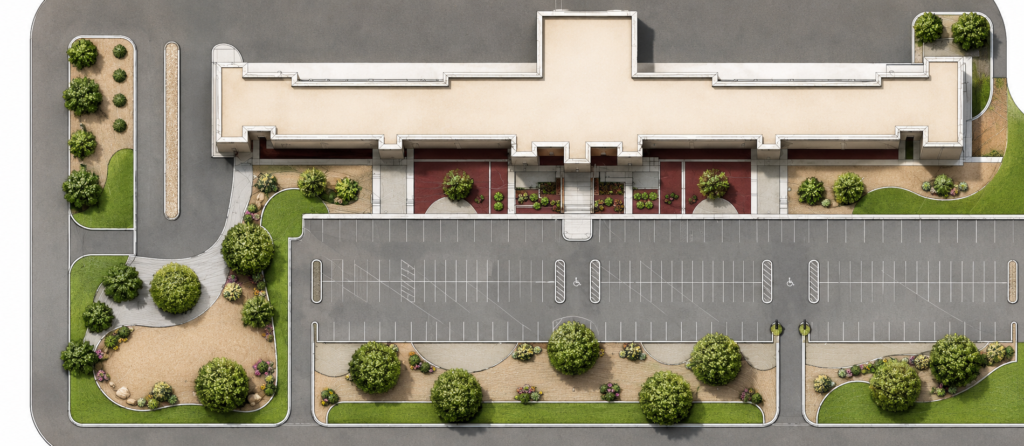
Landscape codes can influence the design from the very beginning. For example, required trees and planting areas may affect the layout of a parking lot, the placement of walkways, or the amount of open space available. Plant selection may also be influenced by local standards, climate, and available growing space.
The goal isn’t simply to meet a checklist. It’s to create a landscape that follows the city’s requirements while still looking beautiful and functioning well for the people who use it.
Why Is It Important to Plan Ahead?
Discovering code requirements late in the design process can mean revising plans, changing plant selections, or adjusting the site layout. These changes can add time and expense to a project.
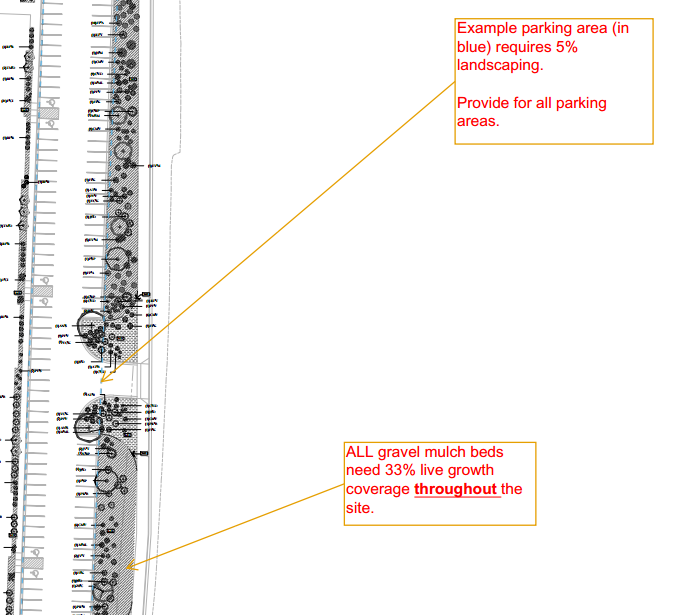
By reviewing the applicable requirements early, a landscape designer can identify potential challenges, coordinate with other professionals, and develop a plan that is ready for city review. Depending on the project, approval may involve submitting landscape plans, planting schedules, and other supporting information.
Designing With Confidence
Navigating city requirements can feel overwhelming, especially when you’re already balancing budgets, timelines, and design ideas. Working with an experienced landscape design team helps make the process more manageable.
At PKJ Design Group, we consider both the creative vision and the practical requirements of each project. By combining thoughtful design with an understanding of municipal codes, we help clients move from concept toward approval and construction with greater confidence.
With the right planning, meeting city requirements doesn’t have to limit your vision. It can be the foundation for a beautiful, functional landscape built to last.
Written by: McKenna Keate