How to Design an Elegant Edible Landscape
For decades, residential landscape design has drawn a strict line between form and function. Ornamental gardens with their manicured boxwoods, pristine flowering cherries, and seamless lawns were reserved for the front yard and main outdoor living spaces. Meanwhile, productive agriculture was banished to the far corner of the property, hidden away in wooden box beds or screened behind hedges. Modern food scaping completely dismantles this outdated boundary.
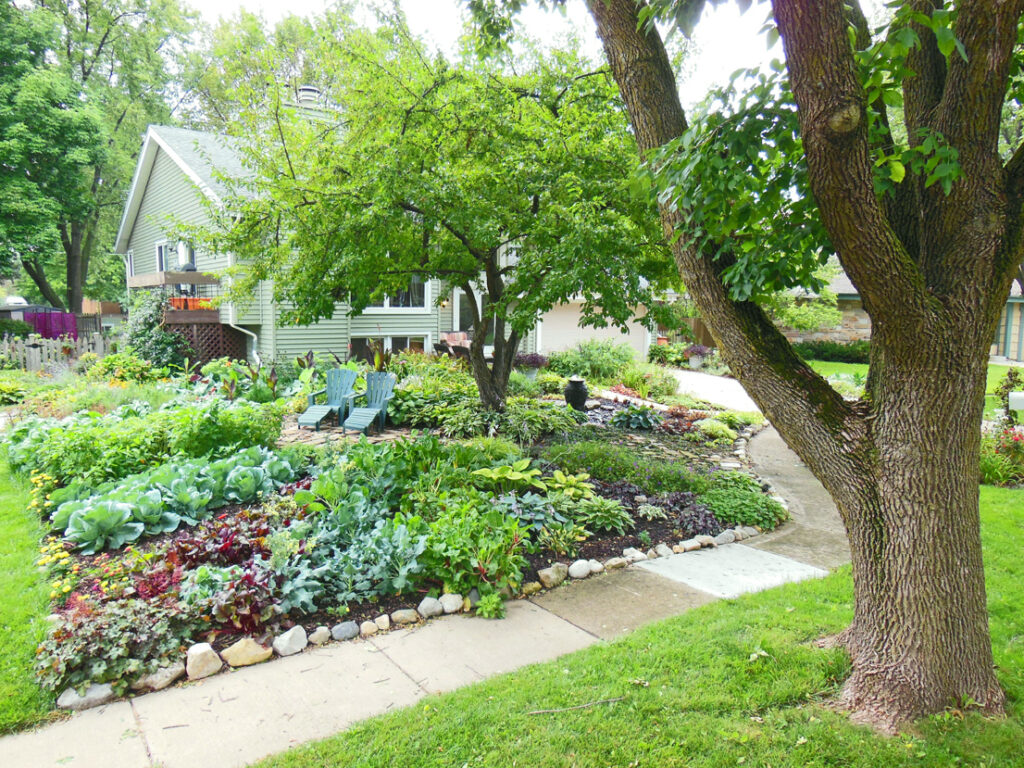
Ecological Function Meets Architectural Form
By integrating fruit-bearing trees, berry-producing shrubs, and aromatic herbs directly into formal and modern outdoor layouts, you can create a yard that delivers high visual elegance alongside a rewarding seasonal harvest. Achieving this balance requires specific site-planning techniques that align ecological processes with formal design standards:
Techniques for Ecological Integration
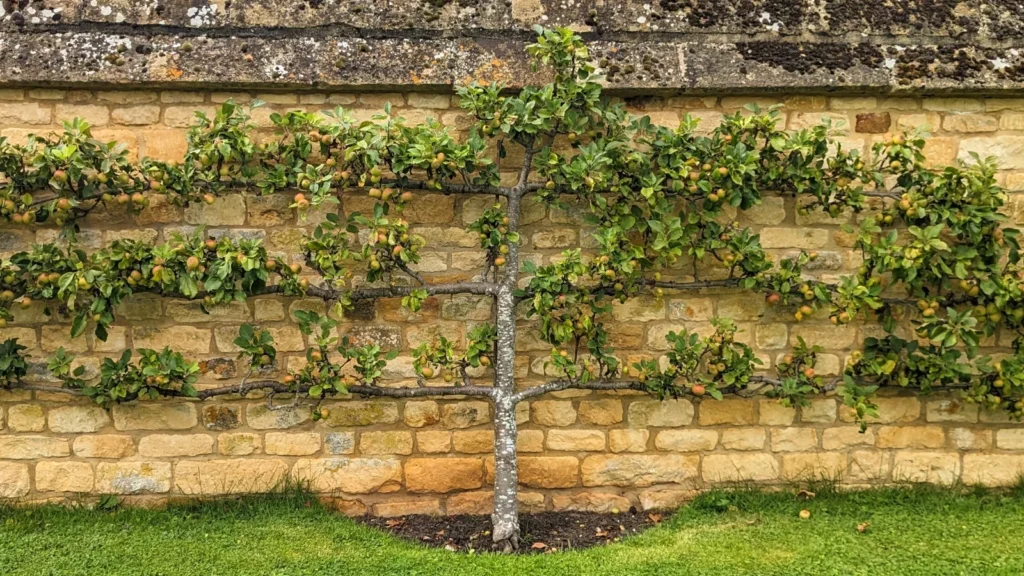
- Structural Form: Utilizing techniques like espalier training fruit trees to grow flat against a wall or trellis maximizes solar gain, improves air circulation (reducing disease), and creates a striking linear sculpture that fits modern or formal architecture.
- Polyculture vs. Monoculture: Instead of vast fields of a single crop, we design guilds of plants that work together (e.g., a fruit tree surrounded by dynamic accumulators like comfrey, nitrogen fixers, and groundcovers like strawberries). This mimics natural forest succession and builds healthier soil.
- Hydro zoning: We organize the site so that water intensive edibles are placed near water sources or in naturally damp swales, while drought tolerant herbs are zoned together, dramatically improving water use efficiency.
The Outcome: A Resilient Landscape
Food scaping is not about letting a garden become “wild” or unkempt. It is about applying structured design principles to create a highly productive, aesthetically sophisticated ecosystem. It is a transition from a landscape that is simply looked at to a landscape that actively participates in the hydrological, carbon, and nutrient cycles of the region’s ecosystem. This approach creates resilience against climate variability while providing the ultimate local food source right outside the back door.
Written by: Kenton Ainsworth