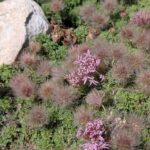
When we buy furniture, most of us will move it around a few times to see where we like it best. Once we find the desired spot, many people will leave the furniture there and not really think about it again for many, many years. I have seen people think about plants in a similar way: find a spot for a plant, plant it, and then forget about it for years, especially if they have an automatic sprinkler system. Unlike furniture, which doesn’t take much care or maintenance, plants are living organisms that grow over time, need maintenance, and can fit many different aesthetics and styles.
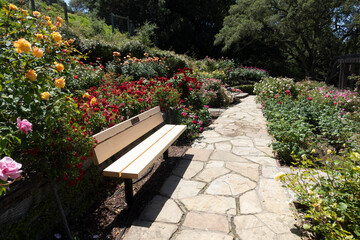
Plant Size
Plants begin small but continue growing, so it is important to consider both their size at planting and their long-term dimensions. Size information is usually available online, but the listed measurement does not always reflect a plant’s mature size. This is especially true for woody evergreens, such as trees and shrubs. Their tags often show a “garden size,” which generally indicates the size the plant is expected to reach in about 10 years. A healthy tree or large shrub may continue growing well beyond that estimate when it has adequate nutrients and suitable conditions. If a plant outgrows its spot, whether from being planted in the wrong spot or from growing larger than expected, it can increase the amount of maintenance that the plant requires.
Plant Care and Maintenance
Plants need care and maintenance. Each plant has certain nutrients and conditions that they need to grow well and to be healthy. Sometimes to get those nutrients in our landscapes they may need some fertilizer. Even if they don’t need extra fertilizer, they do still need other care as well. Sometimes branches will break and need to be pruned. Some plants, like many ornamental grasses, die to the ground every year. The tops should be cut off to improve appearance and give more space for the plant to grow in next spring. Leaves fall from deciduous trees and shrubs and often at least some of them need to be raked up. When a plant doesn’t have the growing conditions it needs, they become more susceptible to pests and diseases which can then create even more maintenance. When a plant gets too large for the space it has, it needs to be pruned consistently to keep it smaller. It often doesn’t look as pleasing as it could without the extra pruning.
Versatility Of Plant Styles
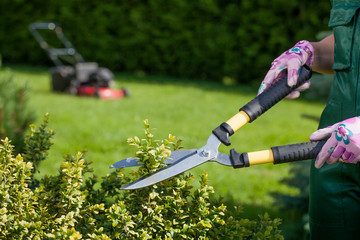
A single plant can fit many different aesthetics and styles based on how it is maintained. This is especially true of shrubs and perennials. If you want a more natural look, pruning is generally minimal with just some thinning, and removing dead, broken, diseased, and problematic branches once every year or two. Many perennials left to be natural don’t need to be pruned and can be cut to the ground once per year, generally in the early spring. For a more formal look or design, many of the same types of plants can be used, but shrubs are pruned more regularly to keep a more uniform shape and perennials regularly deadheaded for a tidier appearance. While some varieties naturally grow in more formal shapes, they still require some maintenance because they are living organisms.
While outdoor furniture can be a great addition to landscapes, plants cannot be treated like furniture. Plants are living organisms, not furniture.
Written By: Natalie Boyack