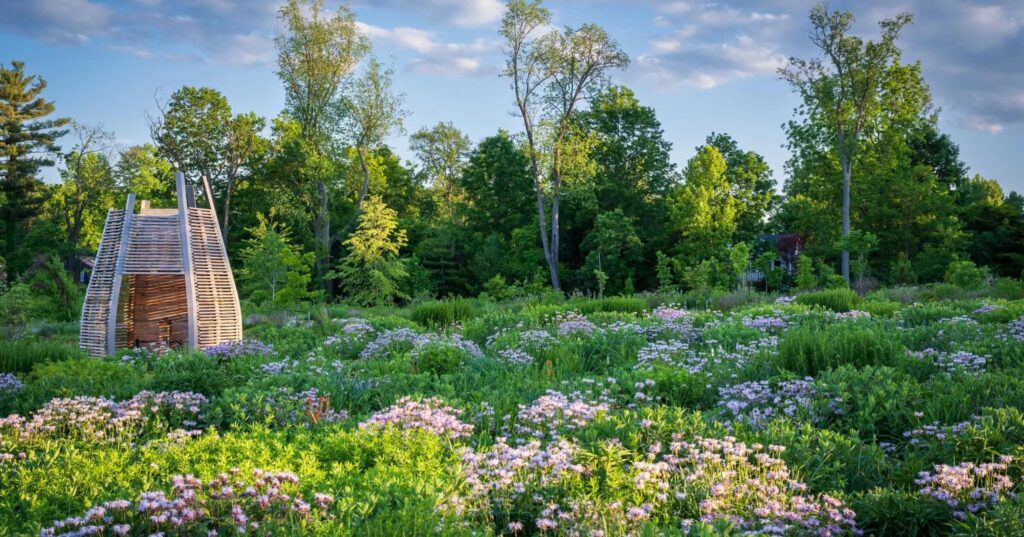
Imagine stepping outside and hearing birds moving through the trees. Or watching pollinators move from flower to flower. How about seeing the landscape change with the seasons?
The plants, soil, water, and wildlife you witness are not separate features. They are all part of the same living system.
At PKJ, we are leading a unique way of thinking about landscape design. We are creating places where people and nature can thrive together. Our approach brings landscape architecture, horticulture, environmental systems, and ecological thinking into the design process. We consider how each part of a landscape can contribute to nature’s habitats and the people using it for years to come.
Habitats Are Designed Intentionally
Habitats do not simply plop into a landscape. A habitat is something we design intentionally.
A bird feeder or a couple of flowering plants may provide a resource, but meaningful habitat supports wildlife throughout its life cycle. It provides places to feed, find shelter, reproduce, and thrive. Each of these needs shape the way we think about a landscape from the beginning.
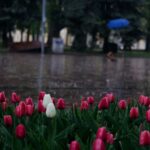
FEED — A garden can offer all creatures something to eat throughout the seasons. Yes, spring flowers support pollinators but there is much more that a habitat needs. Seeds, fruit, foliage, and insects provide resources as the seasons change. A diverse planting palette can keep the landscape productive long after the flowers have faded.
SHELTER — A landscape can offer refuge in various forms. Trees provide shade and nesting opportunities, while shrubs, grasses, groundcovers, logs, and leaf litter create places to hide and rest. Smart design can provide protection for critters without sacrificing the spaces people need to gather and enjoy the outdoors.
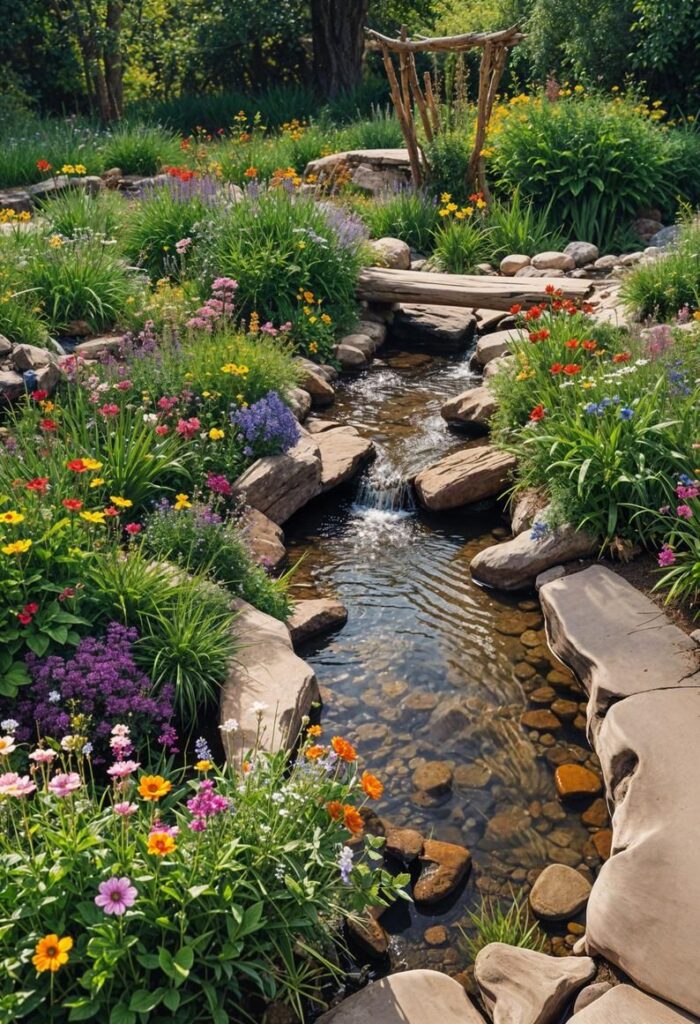
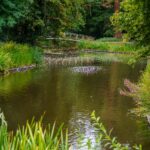
WATER — Water is essential to life, but it does not have to be an isolated feature. Where a site allows, ponds, creeks, and other water features can become part of the landscape’s ecological infrastructure. As water moves through the landscape, it gives life to birds, insects, plants, and other organisms along the way. Even a small water source can become an important part of a larger habitat network.
NEST — Habitats should support the coming generations. Dense vegetation, grasses, branches, cavities, and other natural structures can provide places to lay eggs, build nests, and raise young. Designing for reproduction means thinking beyond what wildlife needs today. It means considering the full life cycle of the species a landscape can support.
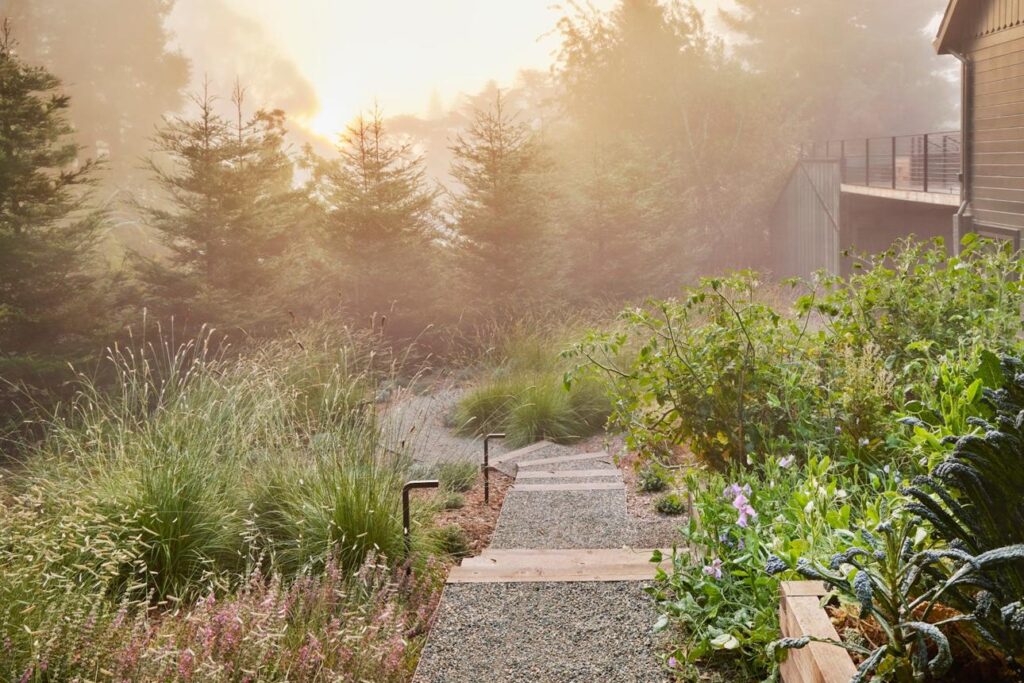
CONNECT — Wildlife does not experience a landscape as individual planting beds or property lines. A tree canopy can connect to understory planting. A drainage corridor can lead toward a pond, and a garden can connect to surrounding natural areas. By creating these relationships, we allow wildlife to move through a site and help individual landscape elements become part of a larger network.
SUSTAIN — Healthy soils and thoughtful resource management help support the living systems that keep a landscape functioning. So, by designing landscapes to conserve water, build healthy soil, and minimize unnecessary chemicals, we can work with the land rather than against it.
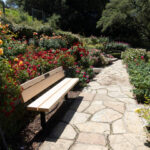
DESIGN — The goal is not to choose between an ecologically friendly landscape and a beautiful one. A healthy and well-functioning landscape can coexist with patios, gardens, and gathering spaces.
Supporting Life Below the Surface
Before we design the habitat above ground, we need to recognize the habitat beneath it.
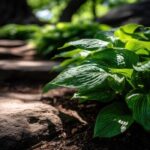
Healthy soil is a living ecosystem filled with earthworms, fungi, microorganisms, and decomposers. These organisms break down organic matter, cycle nutrients, and help create the conditions plants need to grow.
Gary Larson’s There’s a Hair in My Dirt! offers a humorous reminder that an entire world exists beneath our feet. Returning organic matter to the soil, allowing occasional leaf litter to remain, and minimizing unnecessary chemicals can help support that world.
Making Room for Nature
Designing for nature also means making room for natural processes. It’s okay to allow seed heads to remain through winter or let fallen leaves stay beneath the trees. Even logs and branches can become part of a planting area.
Deliberately allowing natural processes to remain visible within a designed landscape is part of intentional imperfection.
Keep in mind that neglected is not the same as natural. Thoughtful design does not abandon maintenance or aesthetics. Instead, it understands when allowing nature to be less limited makes the landscape stronger.
Plants for Habitat
Plant selection is one of the easiest ways to build habitat into a landscape. A diverse mix of trees, shrubs, perennials, and grasses provides food and shelter while adding seasonal interest.
While the perfect palette depends entirely on your specific site, climate, and soil, here are a few powerful examples of habitat-building plants:
TREES — Serviceberry, chokecherry, oak, hawthorn, and cottonwood
SHRUBS — Elderberry, rabbitbrush, mountain mahogany, ninebark, and currant
PERENNIALS — Penstemon, milkweed, blanket flower, sunflower, and yarrow
GRASSES — Blue grama, little bluestem, Indian ricegrass, prairie dropseed, and sideoats grama
It is not necessary to use every plant on the list, but it is important to create diversity and provide resources throughout the seasons.
Note: These species are examples to illustrate diversity, not a universal palette. The best choices are always tailored to your regional climate, water availability, and existing local habitat.
Where Nature Happens
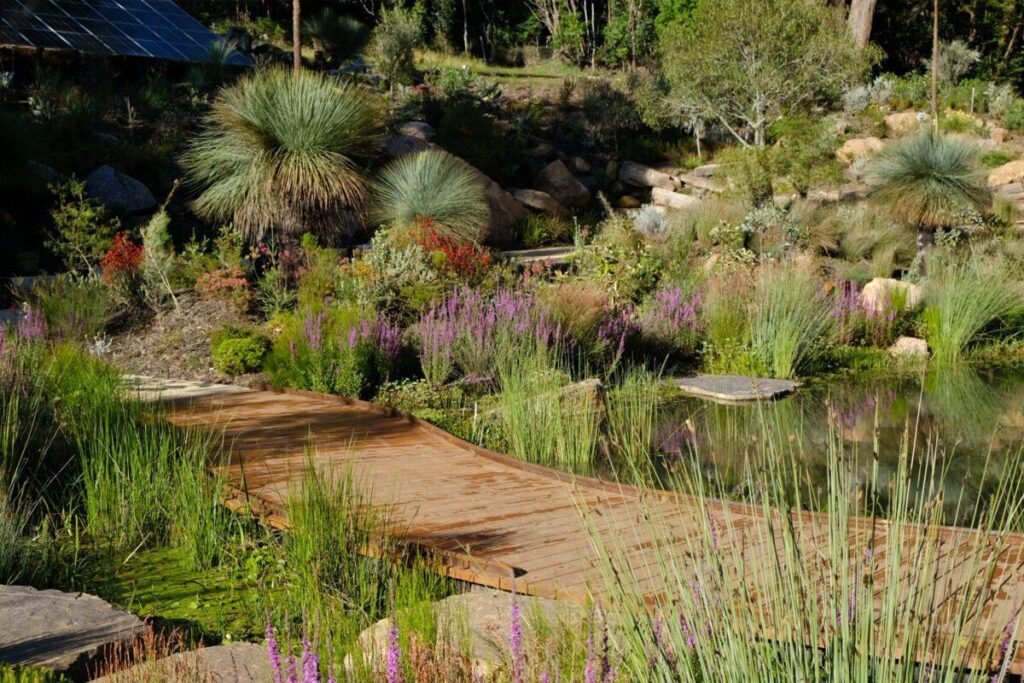
The ultimate goal is not to bring nature into the landscape as though the two are separate. The goal is to design landscapes that are part of nature. Beautiful landscapes do not have to exist apart from the ecosystems around them. They can provide for the habitat and for the people who use it.
At PKJ, that is what it means to design for people and nature. We create landscapes that are not only places to experience nature, but places where nature can happen.
Written by: Darby Stephens