Architecture and landscape design are closely connected, with each shaping and enhancing the other. While architecture defines the structure and function of a space, landscape design extends that vision outdoors, creating a cohesive environment that is both beautiful and functional.
Here are several ways architecture influences landscape design.
1. Defining Outdoor Spaces
Architectural elements such as walls, windows, doors, and overhangs establish the framework for outdoor living. Landscape design builds upon these features by creating inviting transitions through patios, walkways, courtyards, and gardens that naturally connect indoor and outdoor spaces.

2. Scale and Proportion
The size, style, and proportions of a building play a significant role in determining the surrounding landscape. Larger homes or commercial buildings often benefit from clean, expansive plantings, while historic or traditional architecture is complemented by more formal gardens. Designing with proper scale ensures the landscape feels balanced rather than overwhelming or undersized.
3. Material and Texture
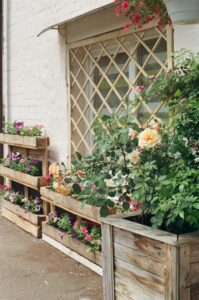
Repeating architectural materials throughout the landscape creates a unified appearance. Stone, brick, wood, concrete, and metal used on a building can be incorporated into retaining walls, pathways, patios, planters, and other landscape features to establish visual continuity and reinforce the overall design aesthetic.
4. Climate and Site Conditions
Architectural features influence the site’s microclimate by creating areas of sun, shade, and wind protection. Landscape designers evaluate these conditions when selecting plants and determining their placement, ensuring long-term health while improving comfort and energy efficiency around the building.
5. Reflecting Architectural Style
A landscape should complement the character of the architecture. Mediterranean homes may feature drought-tolerant plantings, olive trees, and terracotta accents, while contemporary architecture often pairs well with clean lines, ornamental grasses, and minimalist planting palettes. Aligning the landscape with the architectural style creates a cohesive and intentional design.

6. Creating Visual Focal Points
Landscape elements can emphasize key architectural features such as entryways, large windows, or unique building forms. Thoughtfully placed specimen trees, water features, sculptures, or ornamental plantings help guide the eye and strengthen the visual relationship between the structure and its surroundings.
Conclusion
Successful projects consider architecture and landscape as parts of a single design rather than separate elements. When the landscape responds to the building’s scale, materials, style, and environmental conditions, it creates an outdoor environment that is both functional and visually cohesive. The result is a space that enhances the architecture while providing lasting beauty and value.
Written By: McKenna Keate