Weed Barrier Fabric:
Overview
Weed barrier fabric was never designed to be a permanent fixture in the garden to suppress weeds for the life of the landscape. It has been used by farmers to place between rows of crops to suppress weeds for the season and then be removed for plowing only to start again the following season.
Issues:
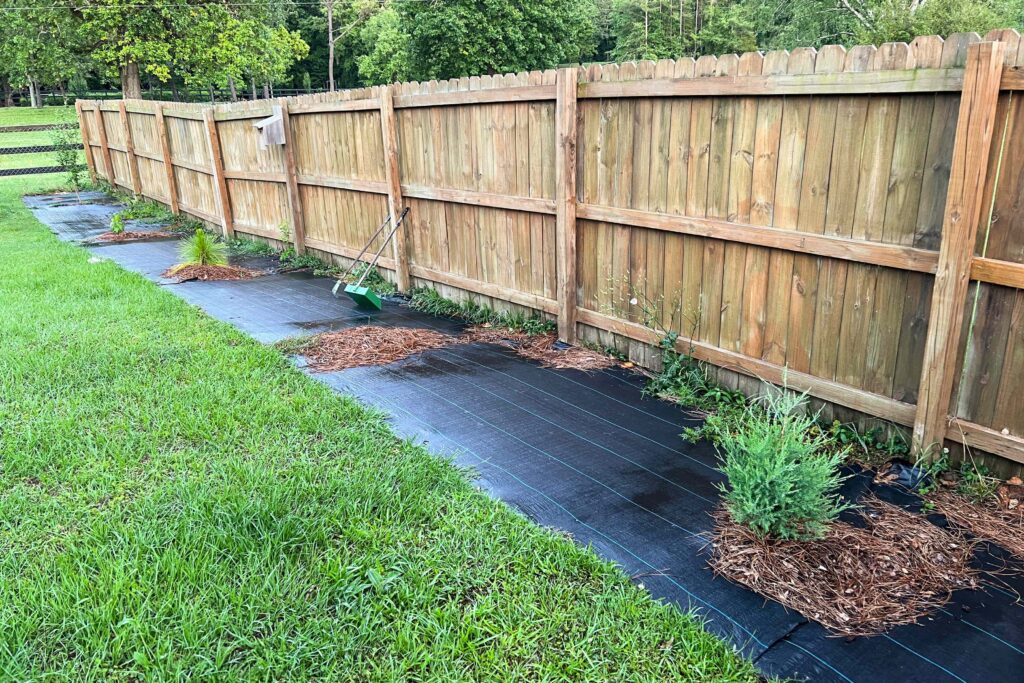
- Weed barrier fabric only suppresses weeds for a short time; weeds eventually grow on top as dirt and seeds accumulate.
- It blocks decomposing organic matter from enriching the soil, reducing beneficial microbial activity.
- Plant roots can grow through the fabric, increasing water needs and making plants less stable.
- Over time, the fabric’s pores clog, limiting water and oxygen movement into the soil.
- Weed barrier fabric is costly and can create long-term landscape problems.
Alternative Solutions:
- Remove existing weeds by hand, mowing, or appropriate herbicides before installing a landscape.
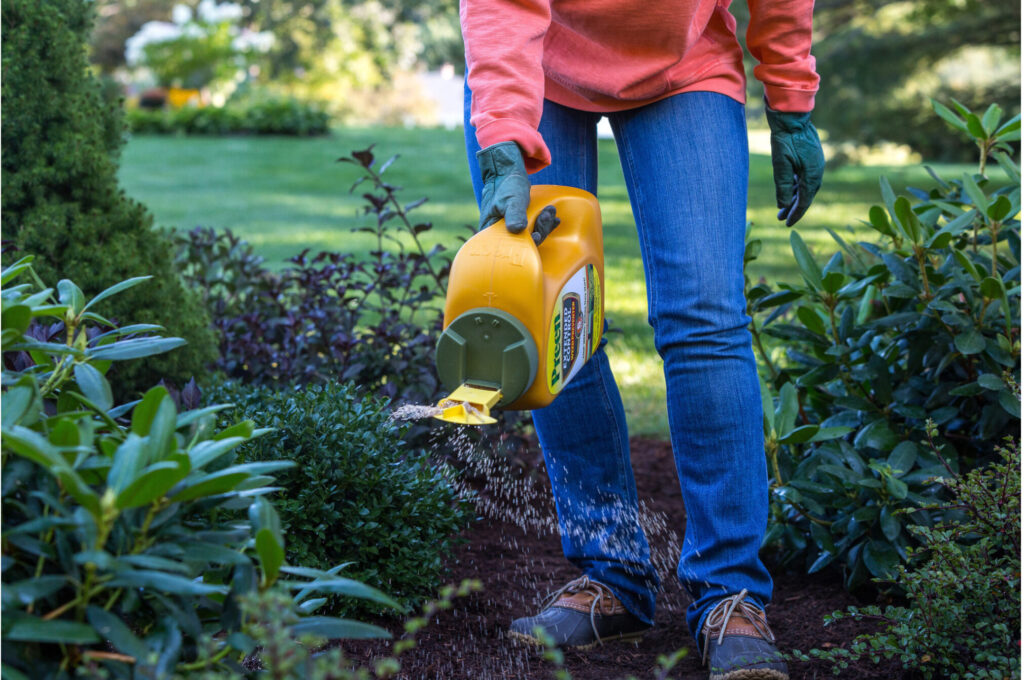
- Apply a pre-emergent herbicide to prevent weed seeds from germinating; reapply as directed for continued control.
- Add and maintain a 3–4-inch layer of mulch to reduce weed growth. Organic mulches improve soil quality as they decompose, while smaller crushed rock works best for inorganic mulch.
- Regular weeding and landscape maintenance are still necessary.